

Insights on Quality, Inspections, and Industrial Execution
The Steelhead Quality Solutions blog explores practical strategies for QA/QC, quality management systems (QMS), inspections, asset integrity, and project execution. We share real-world insights from the field to help teams reduce rework, improve compliance, and build quality systems that actually work.
Categories
- Audit & Compliance
- Business Strategy
- Continual Improvement
- Continuous Improvement
- Digital & Modern QMS
- Document Contro
- Document Control
- Fractional Quality Management
- Nonconformance & CAPA
- Operational Strategy
- Operations & Execution
- Process Improvement & Mapping
- QMS Fundamentals
- Quality Management
- Quality Metrics & Performance
- Quality Technology
- Risk, Safety & Operational Excellence
- Safety & Operational Excellence
- Supplier & Vendor Quality
- Systems and Software

Bridging the Gap: How Disconnected Systems Turn Quality Into an Afterthought (Part 1)
When your operational tools and QMS operate in complete isolation, production friction and duplicate data entry are the inevitable results.

Bridging the Material Traceability Gap (Part 2)
Linking Material Test Reports to active work orders should protect your production schedule, not slow it down with endless data entry.

Material Traceability: Can You Find the Bad Batch?
A digital QMS is a powerful tool, but true material traceability is decided by the daily habits of the operators on your shop floor.

Building a Bulletproof Deviation Approval Process (Part 2)
When out-of-spec materials threaten the project schedule, a bulletproof deviation process keeps operations moving safely without relying on permanent shadow processes.
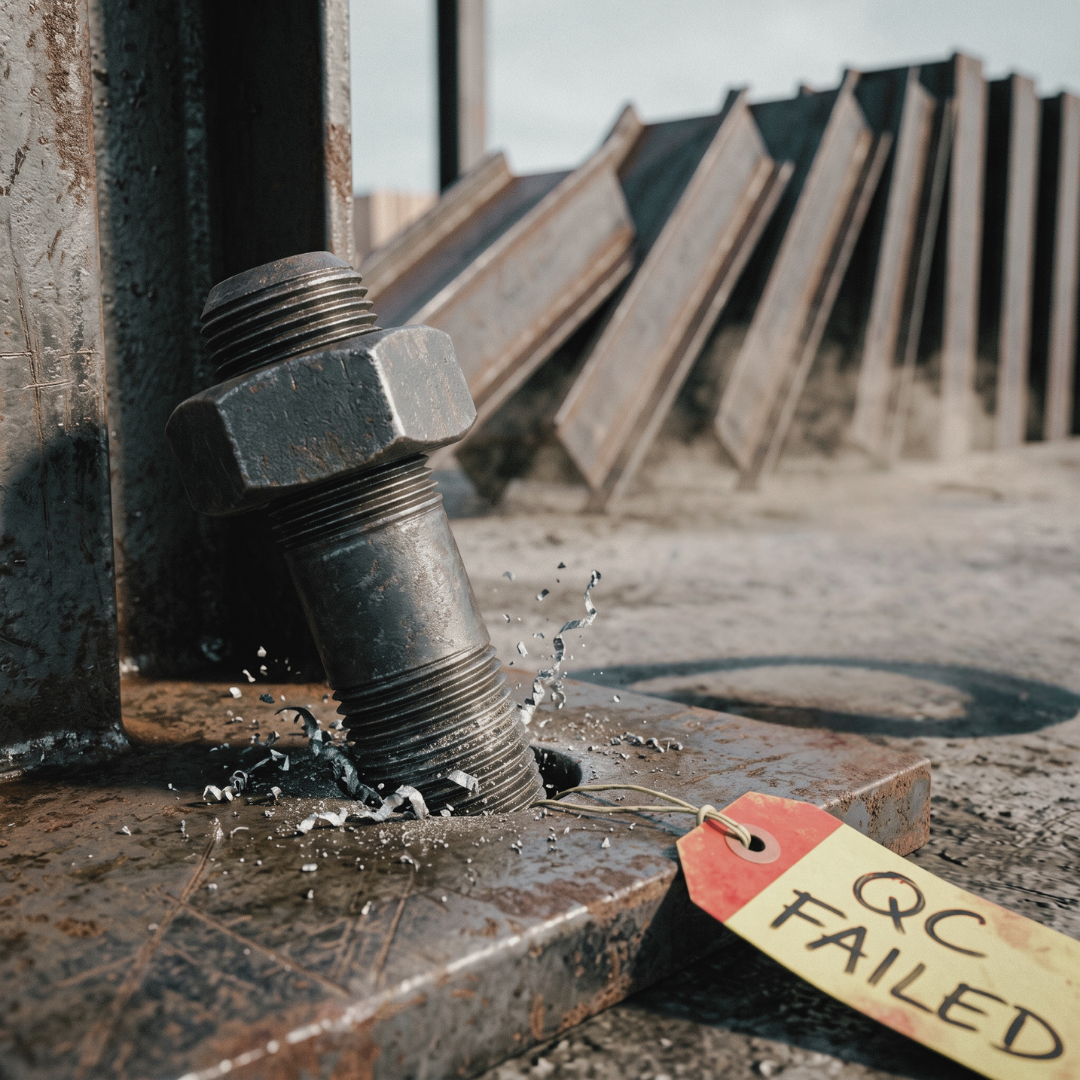
The Deviation Trap: When "Just Use It This Time" Becomes Policy (Part 1)
When an out-of-spec part gets a verbal pass to save time, the project schedule might survive the day, but the hidden costs will always catch up down the line.
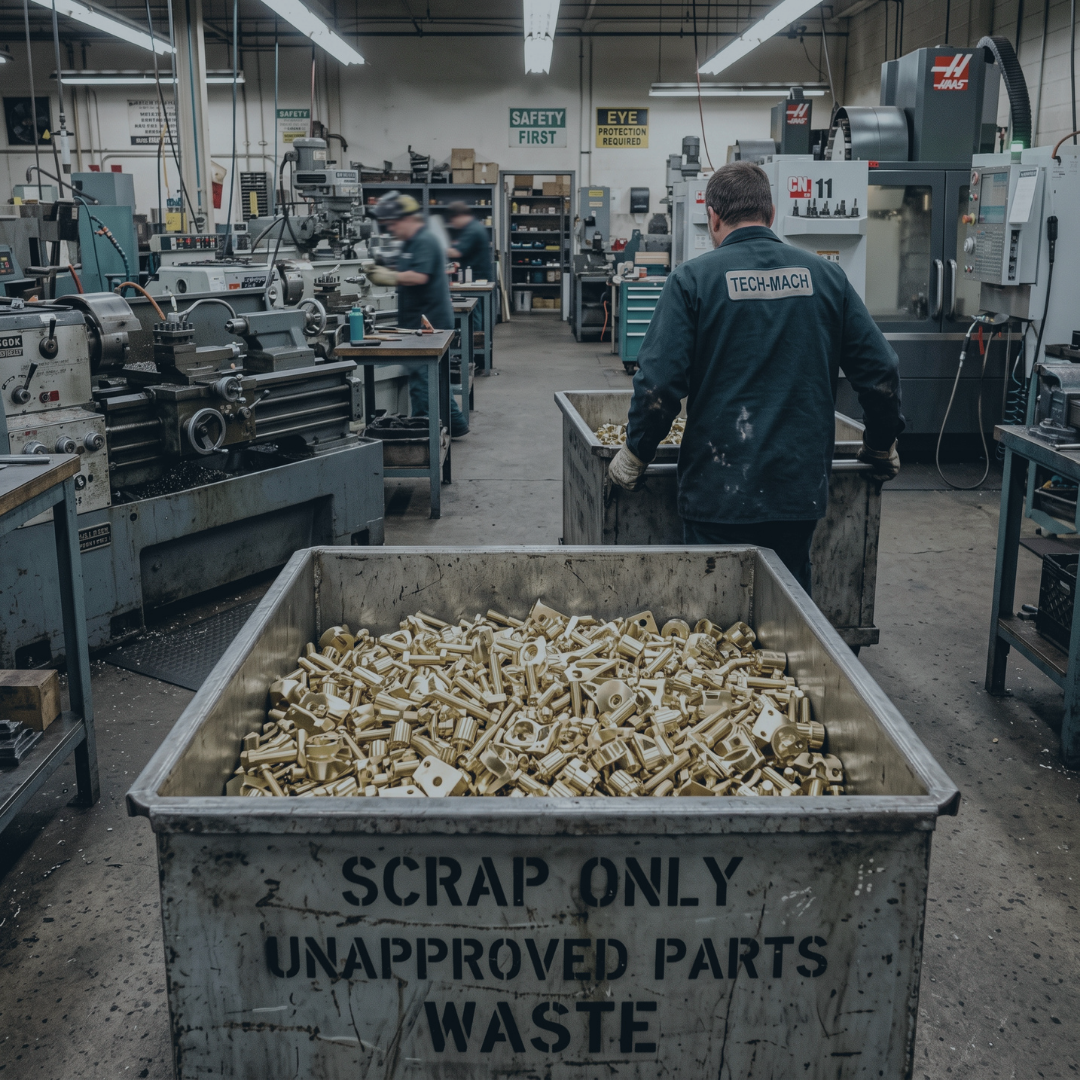
Putting an End to Gold-Plating: How to Build Clear Acceptance Criteria (Part 2)
Stopping the hidden costs of gold-plating requires replacing vague adjectives with undeniable, binary acceptance criteria on the shop floor.

The Silent Profit Killer: Are You Gold-Plating Your Products?
Doing more than the specification requires is not a sign of superior quality; it is a hidden operational leak that drains your schedule and your profits.

Stop Accepting Scrap (Part 2): The Tactical Roadmap
Shifting to a zero tolerance approach for unexplained scrap requires immediate material isolation and rapid feedback loops on the floor.

The Anatomy of the Scrap Bin (Part 1)
Every scrapped part in the bin contains actionable data about how your operations actually run if you know how to look for it.
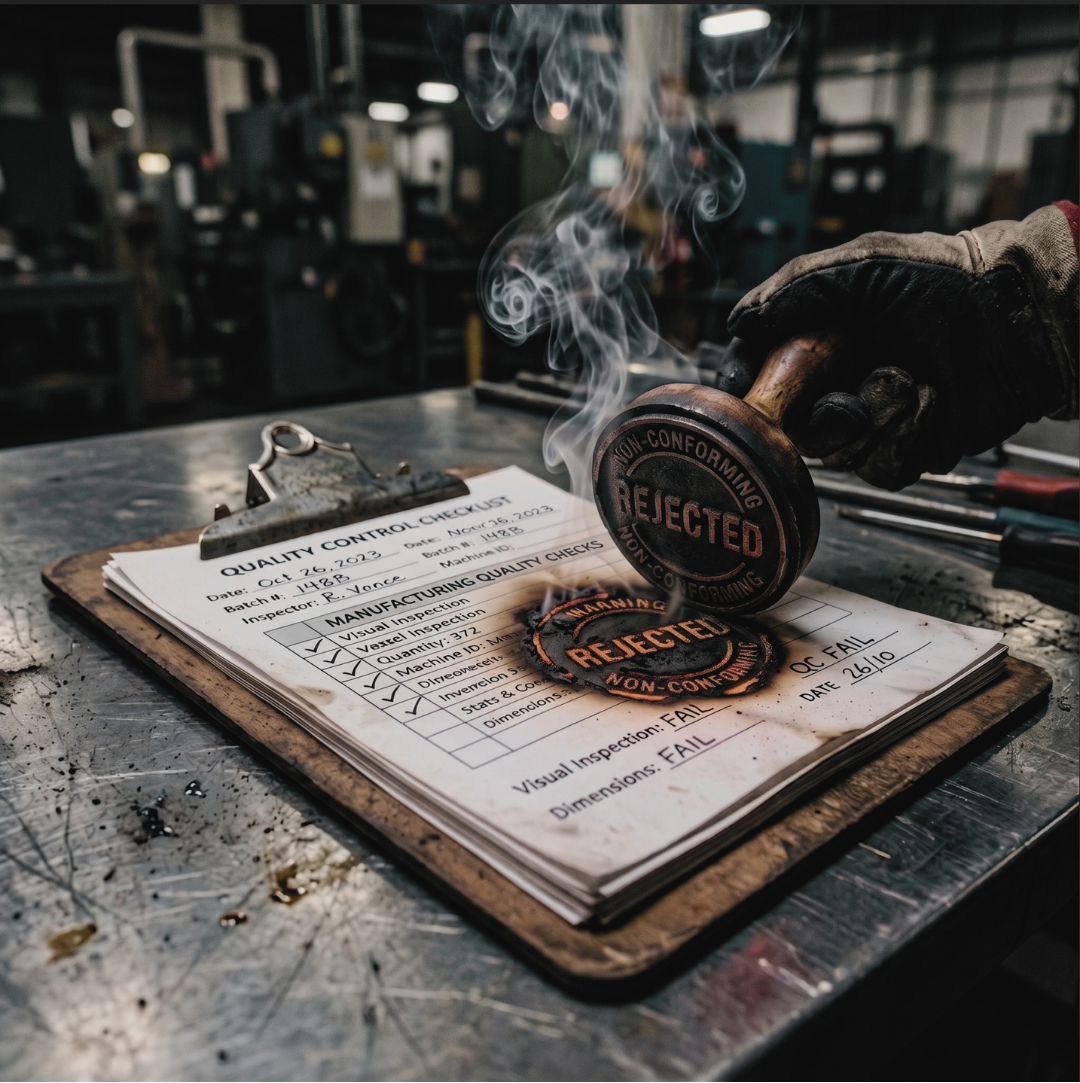
The QMS Stress Test: 5 Warning Signs Your Quality System Needs a Rebuild
Every QMS tells a story about how work actually gets done, but is your system built to handle the pressure of scaling up?

The Mid-Year QMS Calibration: Auditing Your Quality Systems Ahead of the Fall Surge
Scaling your digital QMS takes more than software licenses; it takes a system built for the realities of the field before the busy season hits.

Streamline Your Workforce: The Power of a Steelhead Document Audit
When forms and manuals match the reality of the field, documentation stops being a bottleneck and starts driving true operational efficiency.

The Transparency Audit: Evaluating Automated Cloud Traceability Infrastructure
Modern supply chains require more than historical paperwork, making the evaluation of live cloud traceability a critical operational advantage for proactive quality surveillance.

Smarter Quality Gates: Automating Shop-Floor Inspections Through ERP Integration
Connecting your production queues directly to your quality checks removes operational friction and turns a reactive audit into a proactive safeguard.

The Customization Bottleneck: Building Flexible Quality Protocols for Mixed-Model Manufacturing
Every CAPA tells a story about how work actually gets done if you are willing to listen.
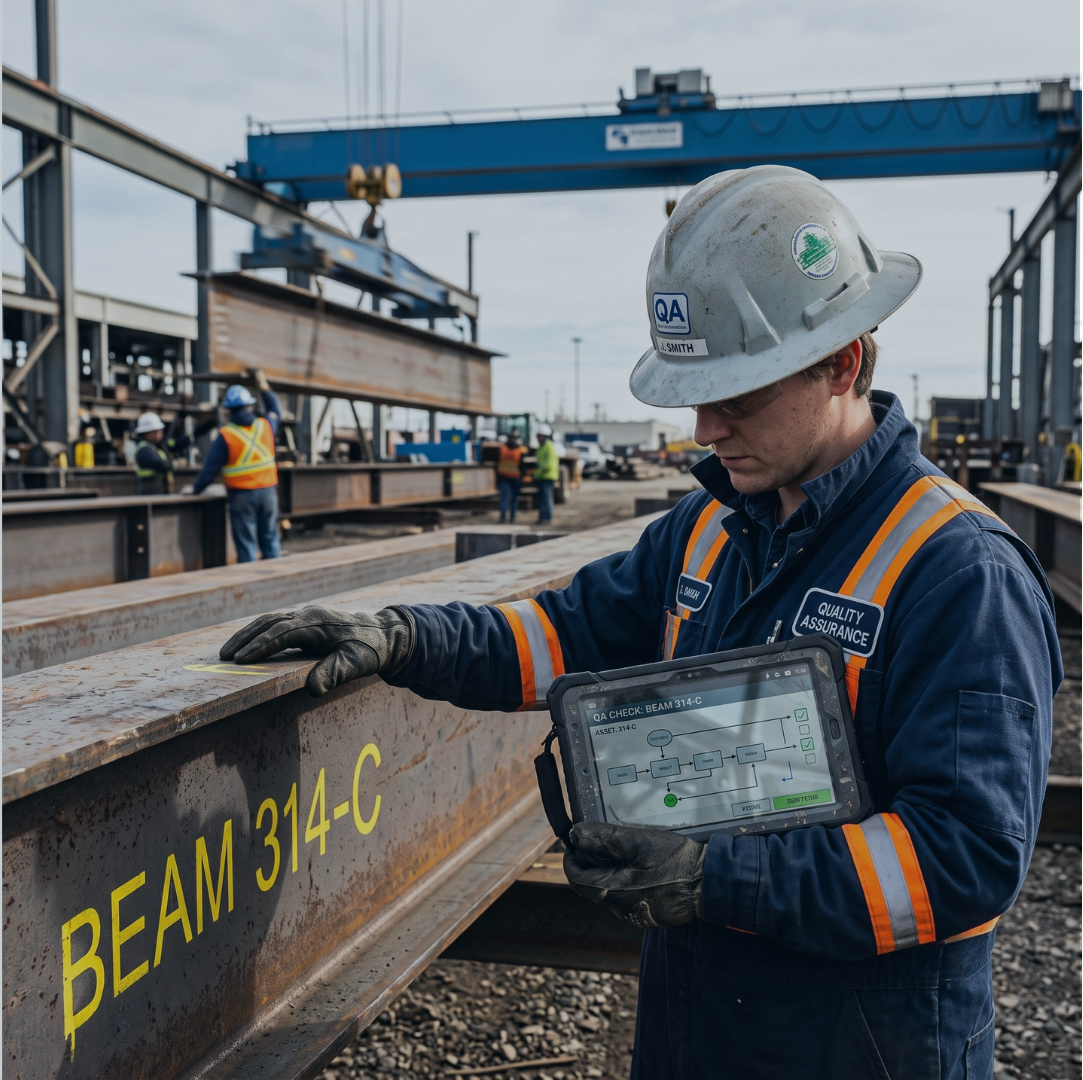
The Defensible Quality History: Mapping End-to-End Data Chains Across Project Lifecycles
An ironclad project handover doesn’t happen by accident; it requires engineering a traceable history that connects every material certificate, weld, and test result into a single defensible asset.
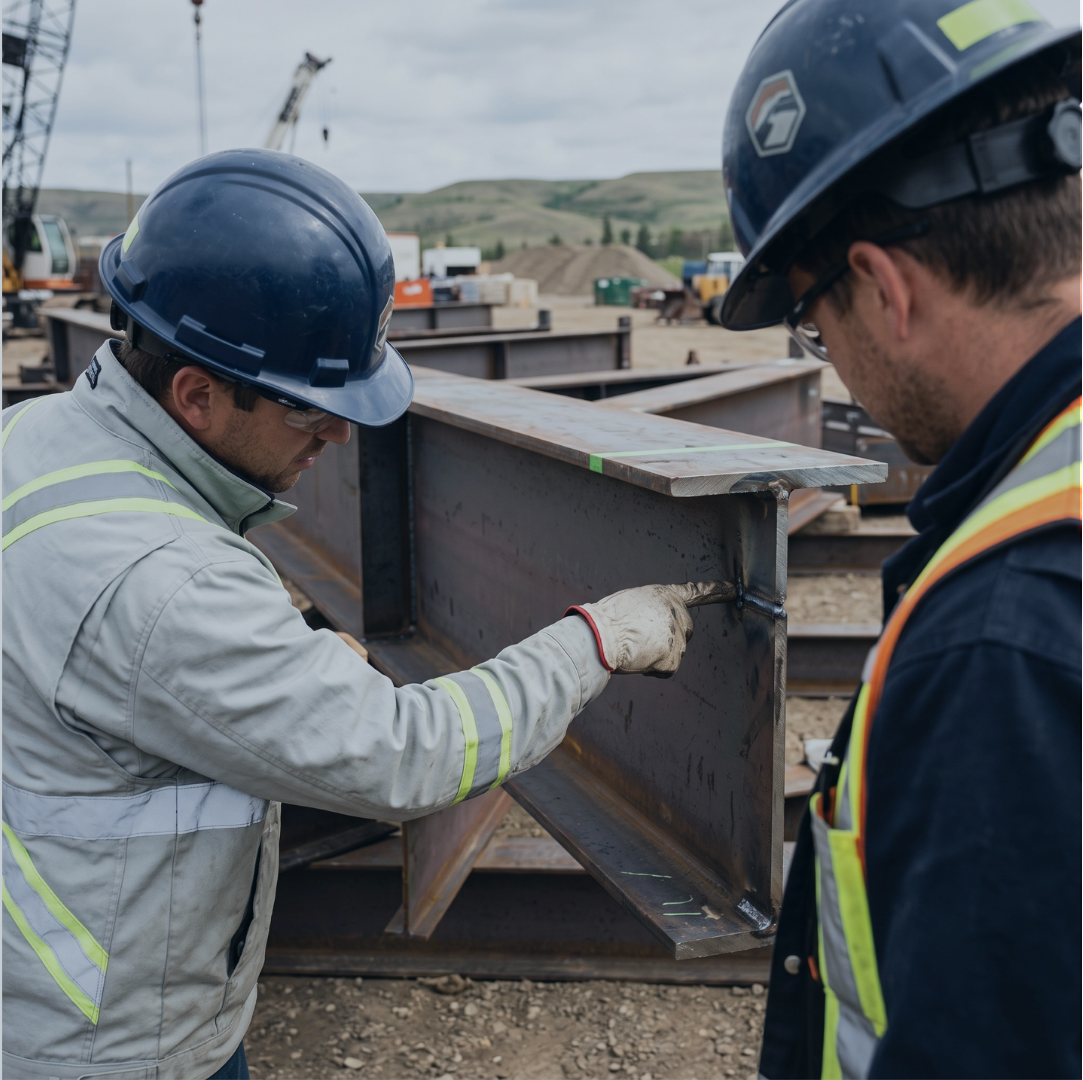
Where Craftsmanship Meets Compliance: Building Quality into Western Canada's Infrastructure
Great infrastructure requires more than just skilled hands; it demands systems that capture the true value of heavy industrial craftsmanship without slowing down the crew.

The Upstream Reallocation Roadmap: Restructuring Shift Budgets for Active Process Control
Discover how to successfully restructure your shift budget and move quality checks upstream to the front line without disrupting your daily production schedule.

The Real Cost of Quality: How Preventive Spending Stops Field Failures
Discover how tracking the true cost of quality helps project leaders turn small, shift-level investments into massive savings by preventing costly structural rework.

The Connected Vendor Checklist: Technical Criteria for Modern Supplier Auditing
Auditing a vendor's physical capabilities is no longer enough; you need to know how fast and reliably their quality data can flow to your team.