

Insights on Quality, Inspections, and Industrial Execution
The Steelhead Quality Solutions blog explores practical strategies for QA/QC, quality management systems (QMS), inspections, asset integrity, and project execution. We share real-world insights from the field to help teams reduce rework, improve compliance, and build quality systems that actually work.
Categories
- Audit & Compliance
- Business Strategy
- Continual Improvement
- Continuous Improvement
- Digital & Modern QMS
- Document Contro
- Document Control
- Fractional Quality Management
- Nonconformance & CAPA
- Operational Strategy
- Operations & Execution
- Process Improvement & Mapping
- QMS Fundamentals
- Quality Management
- Quality Metrics & Performance
- Quality Technology
- Risk, Safety & Operational Excellence
- Safety & Operational Excellence
- Supplier & Vendor Quality
- Systems and Software

Moving from Reactive to Predictive Tool Maintenance (Part 2)
A calibration certificate proves a tool was accurate yesterday, but daily verification ensures it is accurate today.
Putting an End to Gold-Plating: How to Build Clear Acceptance Criteria (Part 2)
Stopping the hidden costs of gold-plating requires replacing vague adjectives with undeniable, binary acceptance criteria on the shop floor.

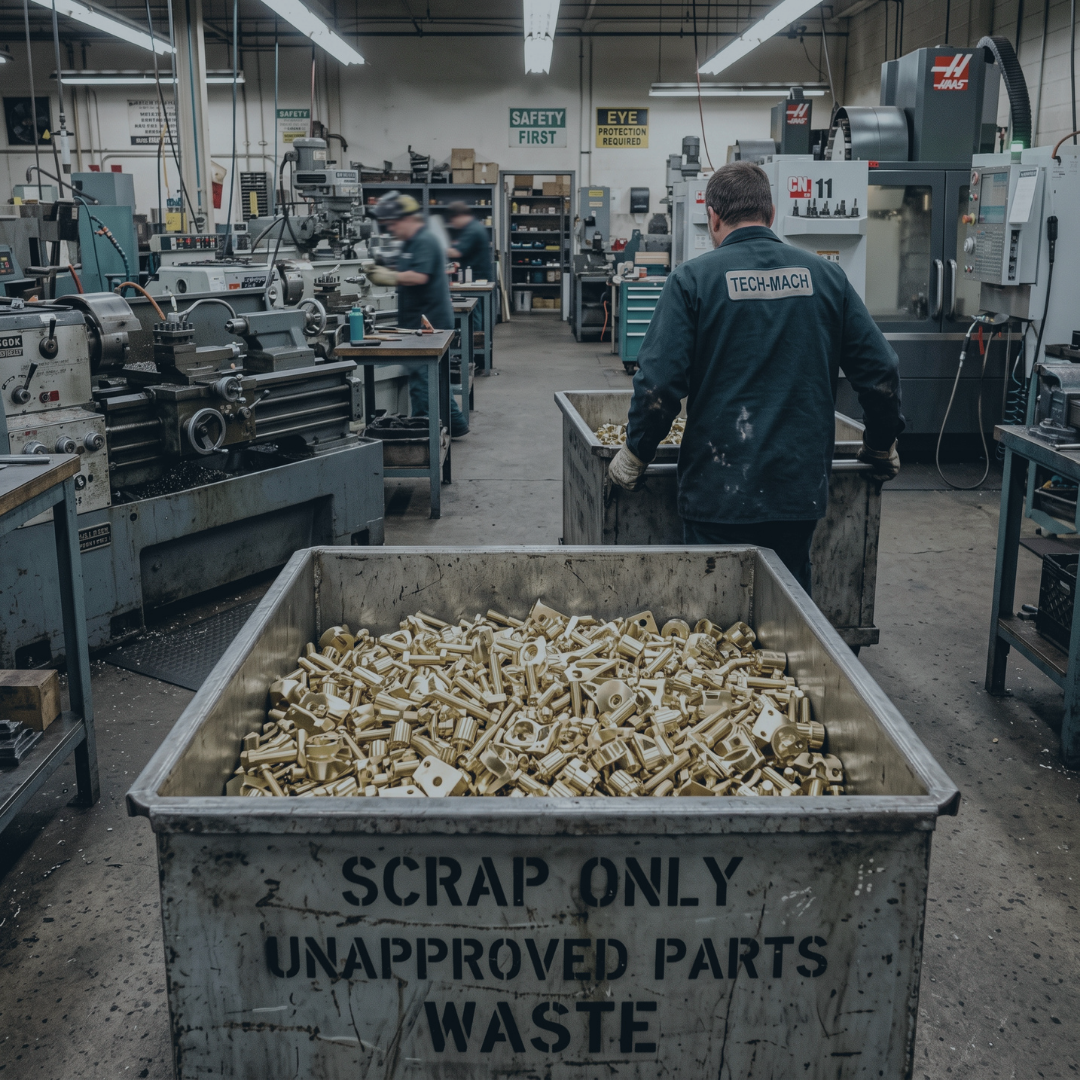
The Anatomy of the Scrap Bin (Part 1)
Every scrapped part in the bin contains actionable data about how your operations actually run if you know how to look for it.

The Customization Bottleneck: Building Flexible Quality Protocols for Mixed-Model Manufacturing
Every CAPA tells a story about how work actually gets done if you are willing to listen.
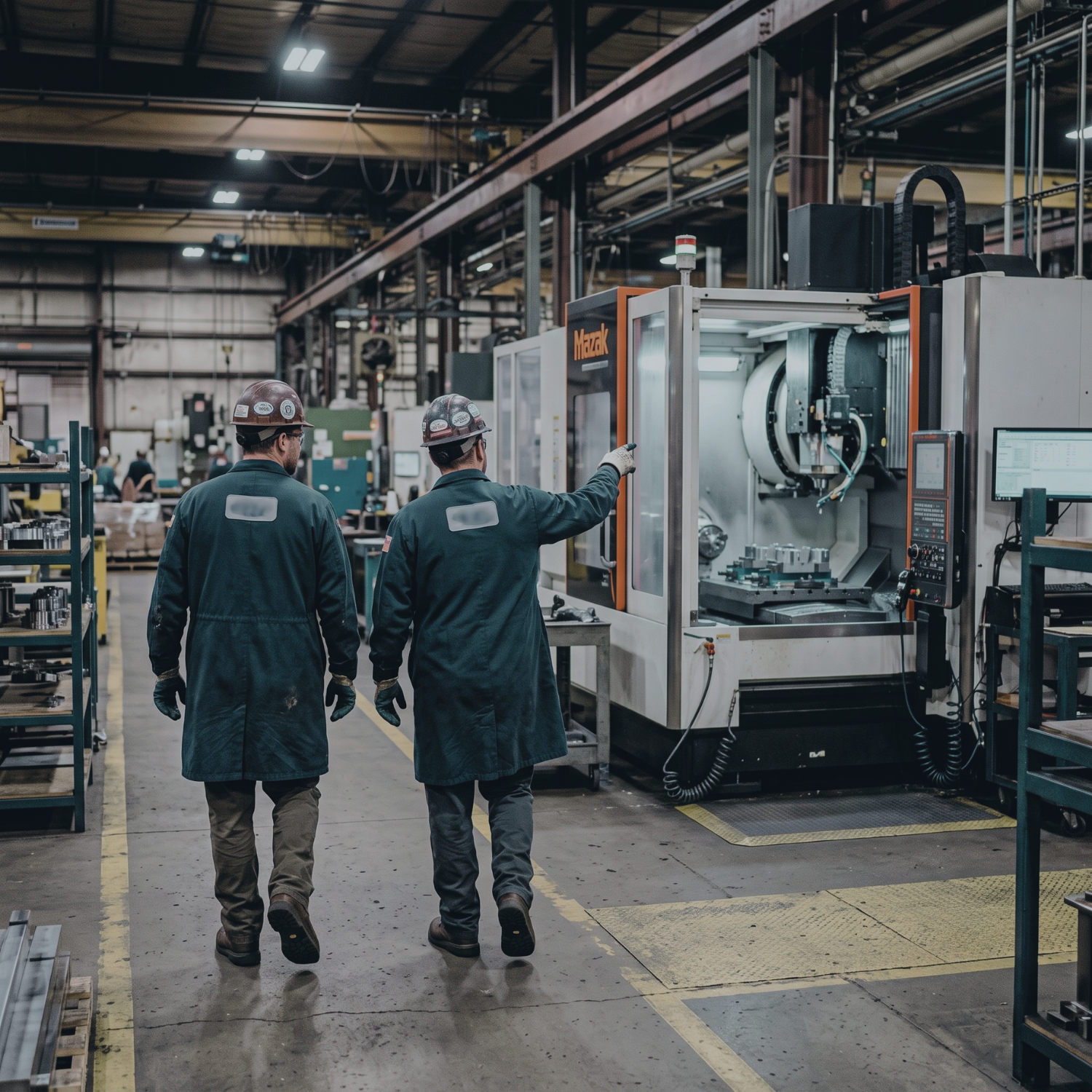
Part 2: Stopping Machining Drift: Building the Bridge Between Inspection and Production Software
Automating your quality data is only effective if your systems know exactly how to interpret the numbers coming off the floor.

Designing Upstream Prevention Controls: A Step-by-Step Blueprint for Operations
True mistake-proofing means designing a process where making an operational error is physically or digitally impossible.

Stopping the Sorting Line: Why End-of-Line Inspections Are Killing Your Margins
Relying on an end-of-line sorting station feels like an operational safety net, but it is actually just documenting your financial waste.

The Delivery Delusion: Why On-Time Projects Still Fail Without Change Management
Every new system relies on the people using it, and delivering a technical solution is just the first step in true change management.

The Human Variable: Why Cognitive Fatigue is the Real Root Cause
Most incidents blamed on "human error" are actually symptoms of cognitive fatigue. Understanding the difference can help organizations reduce mistakes, improve quality, and strengthen operational performance.

When Inefficiency Becomes the Baseline: Seeing Your Process with Fresh Eyes
Sometimes the biggest operational improvements start simply by looking at an everyday process with a completely fresh perspective.

Mentorship as a Control Point: Training the 2026 Summer Surge
Turn your experienced operators into verifiable control points by shifting from informal summer shadowing to documented, point-of-work mentorship.

The 2026 Quality Inspector: Why Emotional Intelligence is a Technical Requirement
The modern inspector’s most valuable tool isn’t in their calibration kit; it’s the ability to turn a heated nonconformance into a productive process fix.

The Digital Skills Gap: Training Your Workforce for the 2026 QMS
Technology on the floor is evolving faster than the training meant to support it, leaving a gap between digital tools and operational reality.

Closing the Quality Loop: Using Field Insights to Drive Improvement
Quality systems often fail because the best insights stay at the site water cooler instead of reaching the decision makers in the office.

Change Control Without the Chaos: A Practical Approach for Small Teams
By keeping change control lightweight, visible, and tied to real operational impact, Steelhead helps teams improve their systems without creating confusion across sites.
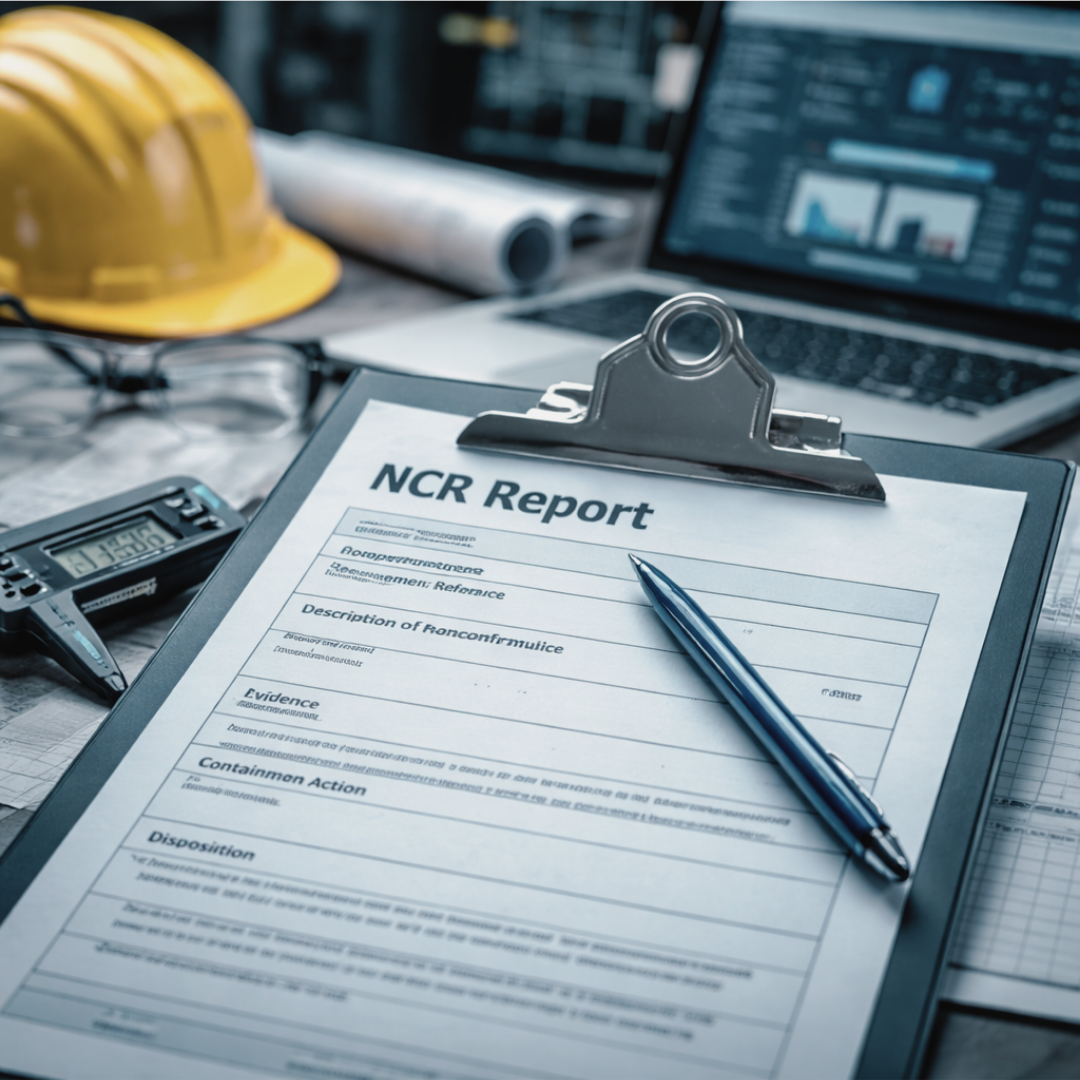
NCRs That Get Closed: Writing Nonconformance Reports That Drive Action
Stop writing NCRs that stall, and start writing reports that make the next decision obvious, fast, and easy to close.

What Does “Continual Improvement” Actually Mean?
Confused about “continual improvement” in ISO 9001 versus other forms of process improvement? This quick breakdown makes the difference clear and shows how to build improvement into your QMS for long-term results.
From Complaints to Improvements: Leveraging Customer Feedback for Quality
Turn customer feedback into a clear quality advantage by spotting trends early, fixing root causes, and showing clients their input leads to real improvements.

Why Process Mapping Is a Hidden Quality Superpower
Process mapping turns your day to day workflow into a clear picture, so you can spot hidden delays, prevent quality escapes, and strengthen your system fast.

Quality Management Trends to Watch in 2026
Quality management is changing fast, and 2026 will reward the teams who get ahead of digital QMS, virtual audits, stronger supply chain oversight, and the push to align quality with sustainability before issues hit the floor.