

Insights on Quality, Inspections, and Industrial Execution
The Steelhead Quality Solutions blog explores practical strategies for QA/QC, quality management systems (QMS), inspections, asset integrity, and project execution. We share real-world insights from the field to help teams reduce rework, improve compliance, and build quality systems that actually work.
Categories
- Audit & Compliance
- Business Strategy
- Continual Improvement
- Continuous Improvement
- Digital & Modern QMS
- Document Contro
- Document Control
- Fractional Quality Management
- Nonconformance & CAPA
- Operational Strategy
- Operations & Execution
- Process Improvement & Mapping
- QMS Fundamentals
- Quality Management
- Quality Metrics & Performance
- Quality Technology
- Risk, Safety & Operational Excellence
- Safety & Operational Excellence
- Supplier & Vendor Quality
- Systems and Software

Beyond the PDF: Why Canadian Near-Shoring Demands Live Supplier Data
In an era of strict accountability, a static ISO certificate is no longer enough to qualify a vendor; the future of supply chain resilience belongs to live, automated data transparency.

Why Generic First-Article Inspections Fail on the Shop Floor (And How to Fix Them)
Rigid inspection forms create costly blind spots, but dynamic templates automatically adapt to the specific job, keeping your team focused on the criteria that actually matter.

The High-Variance Headache: Restructuring Rigid Quality Management Systems for Small-Batch Customization
When traditional quality systems meet custom manufacturing, the paperwork alone can halt production, but agile validation gates can keep your shop floor moving.

Part 2: Stopping Machining Drift: Building the Bridge Between Inspection and Production Software
Automating your quality data is only effective if your systems know exactly how to interpret the numbers coming off the floor.

Part 1: Stopping Machining Drift: How to Catch Tool Wear Before You Create Scrap
Every delayed measurement is a missed opportunity to correct tool wear before it turns into expensive scrap.

Designing Upstream Prevention Controls: A Step-by-Step Blueprint for Operations
True mistake-proofing means designing a process where making an operational error is physically or digitally impossible.

Stopping the Sorting Line: Why End-of-Line Inspections Are Killing Your Margins
Relying on an end-of-line sorting station feels like an operational safety net, but it is actually just documenting your financial waste.

From 'Green' to 'Proven': Using Your QMS to Navigate Canada's New Anti-Greenwashing Laws
Every sustainability claim requires a solid audit trail; if it is not verified in your QMS, it should not be in your marketing.

The Delivery Delusion: Why On-Time Projects Still Fail Without Change Management
Every new system relies on the people using it, and delivering a technical solution is just the first step in true change management.

Fatigue-Resistant Quality: Rebuilding QMS Tools for the End of the Shift
When cognitive resources run low at the end of a shift, your quality management system must be designed to guide tired workers toward the right decision, rather than testing their endurance.

The Human Variable: Why Cognitive Fatigue is the Real Root Cause
Most incidents blamed on "human error" are actually symptoms of cognitive fatigue. Understanding the difference can help organizations reduce mistakes, improve quality, and strengthen operational performance.

When Inefficiency Becomes the Baseline: Seeing Your Process with Fresh Eyes
Sometimes the biggest operational improvements start simply by looking at an everyday process with a completely fresh perspective.

Garbage In, Liability Out: Why Data is the New Physical Defect
A flaw in your digital reporting is no longer just an IT problem; it’s an operational hazard that requires the same scrutiny as a bad weld on the shop floor.

Mentorship as a Control Point (Part 2): Executing the Field-Level Framework
Informal shadowing is an operational risk, but a structured mentorship program turns field experience into a verifiable, documented quality control.

Mentorship as a Control Point: Training the 2026 Summer Surge
Turn your experienced operators into verifiable control points by shifting from informal summer shadowing to documented, point-of-work mentorship.
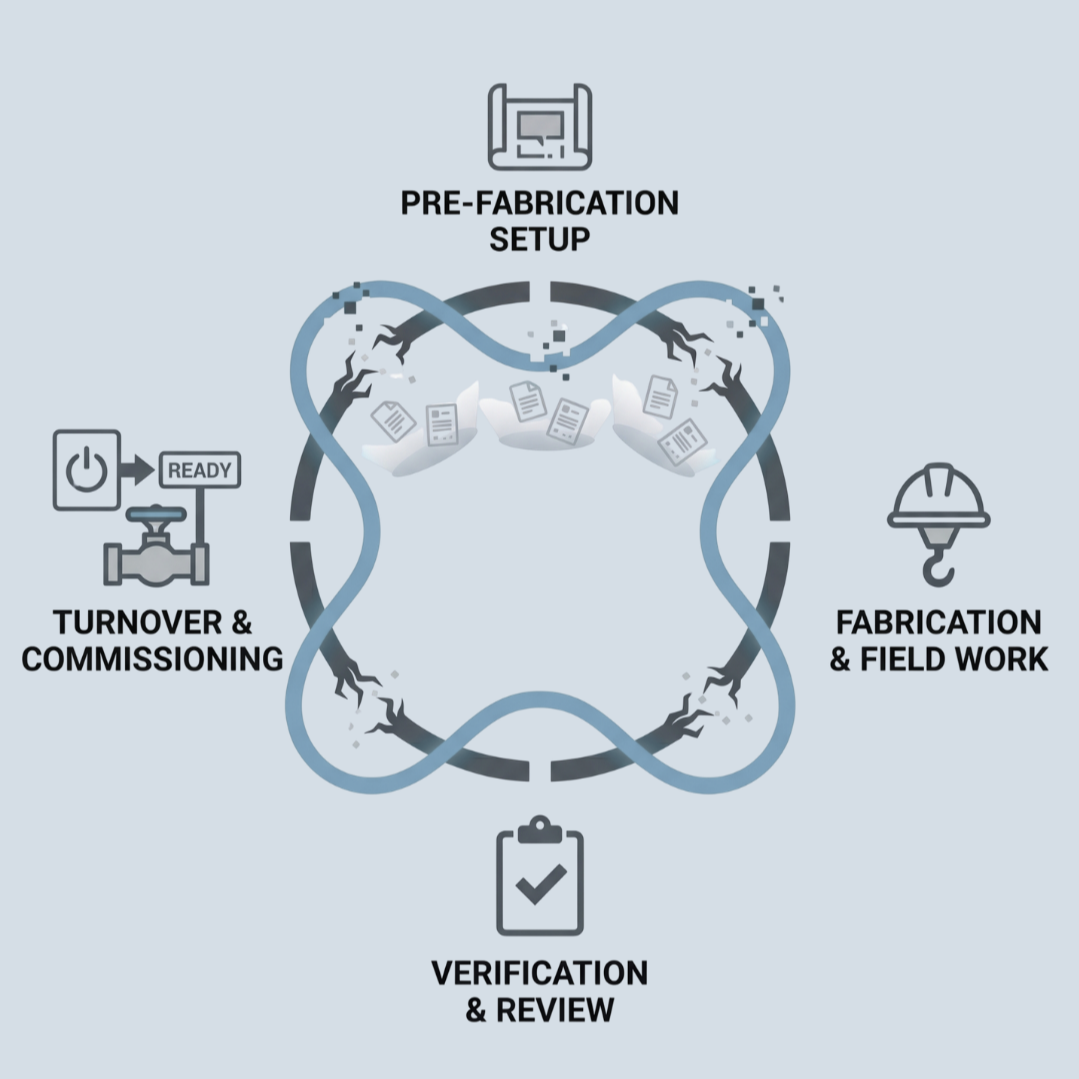
Your Quality Program Has Blind Spots. Here's Where They're Hiding.
Most quality failures don't happen inside a phase. They happen in the space between them, and that's exactly where most programs stop paying attention.

The Cost of Constant Oversight: How a Low-Friction QMS Earns a Trust Dividend
A clean quality system does more than pass audits; it gives your clients the confidence to step back and let your team execute without constant oversight.

The 2026 Quality Inspector: Why Emotional Intelligence is a Technical Requirement
The modern inspector’s most valuable tool isn’t in their calibration kit; it’s the ability to turn a heated nonconformance into a productive process fix.

Quality vs. The Labour Shortage: How to Keep Standards High with a Changing Crew
When your most experienced lead hands retire, your quality standards shouldn't retire with them.

The "Shadow QMS" Trap: Why Your Team Prefers Excel (and How to Bring Them Back)
Your team isn't using private spreadsheets to be difficult; they are doing it because your official QMS is getting in their way.